
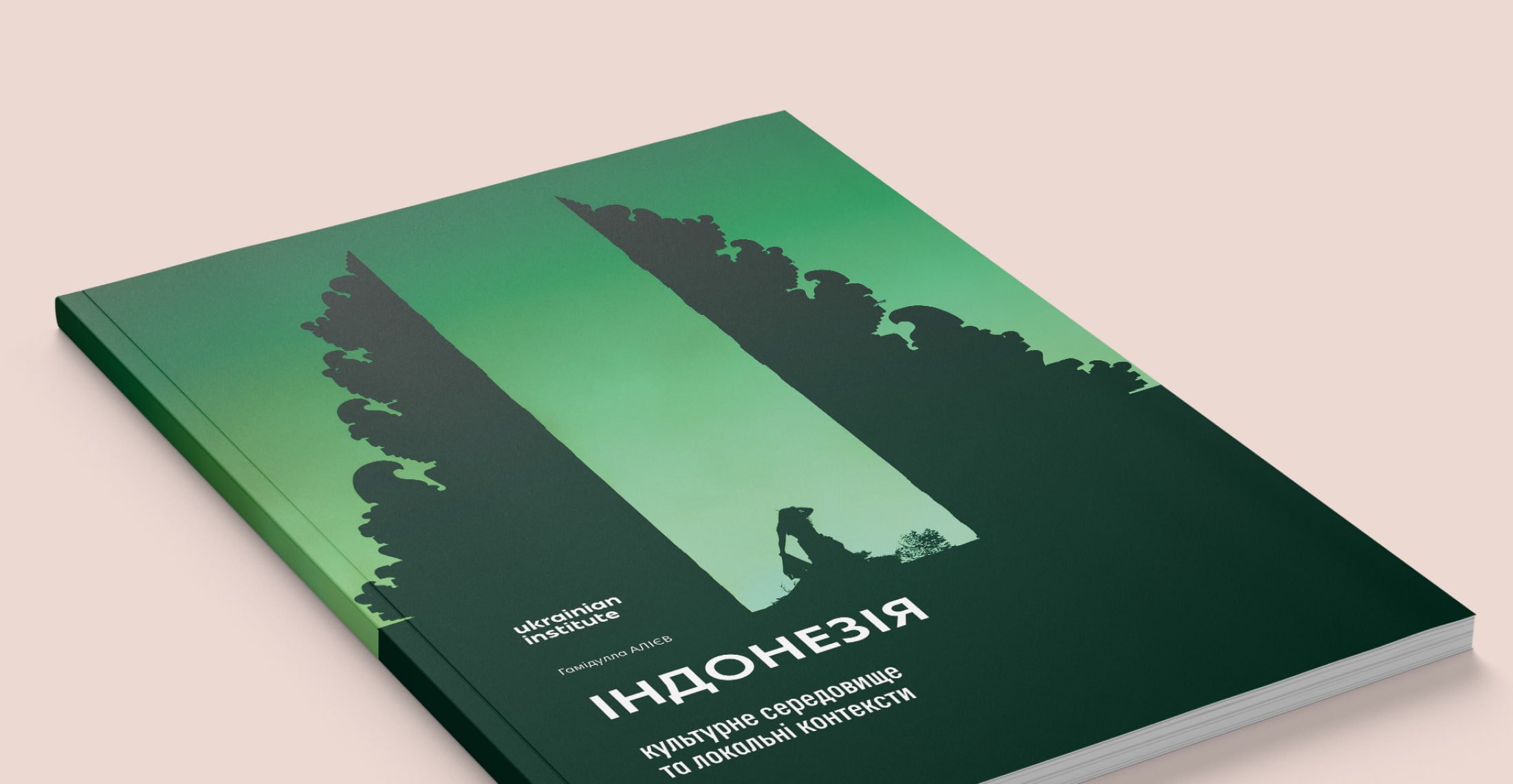
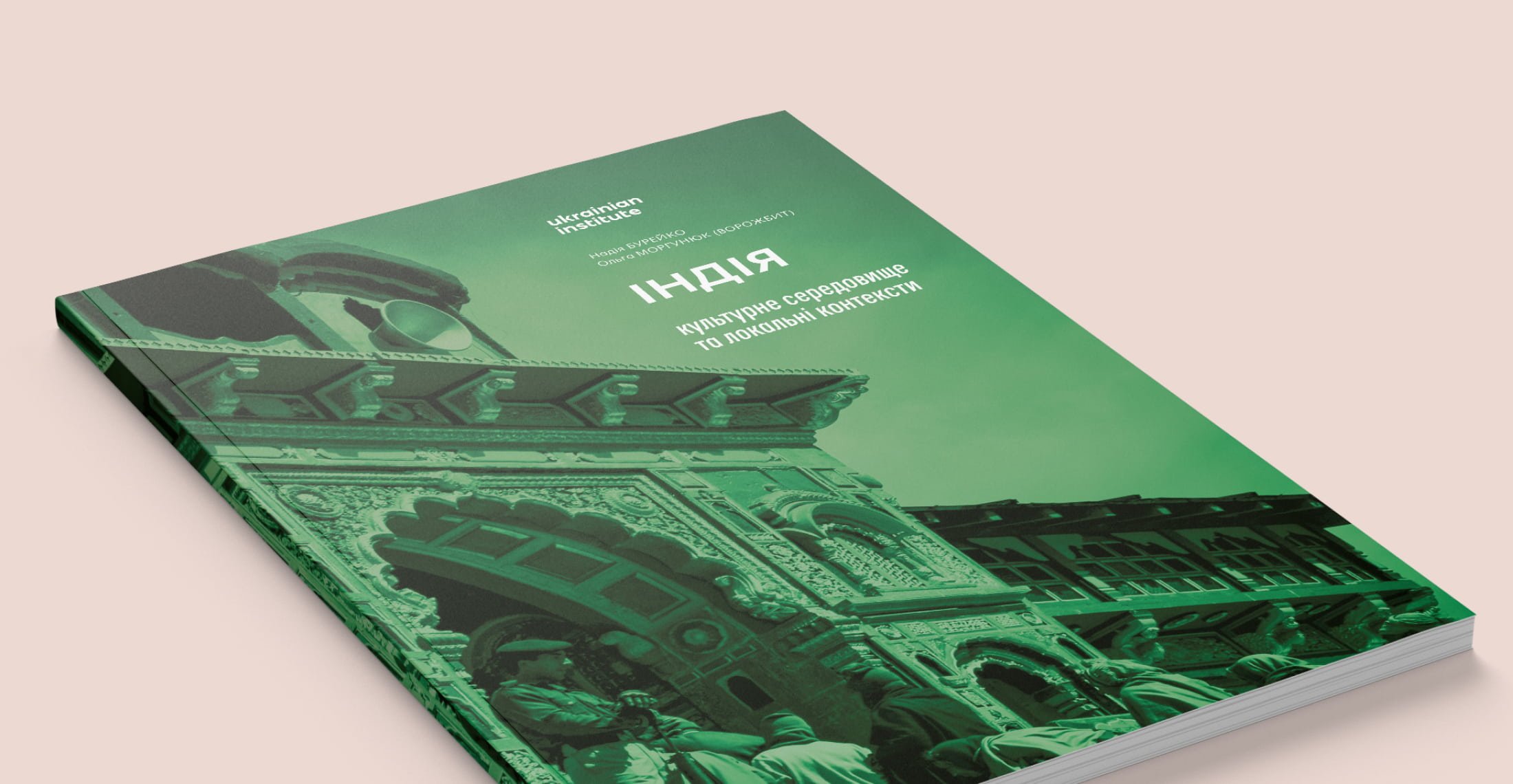
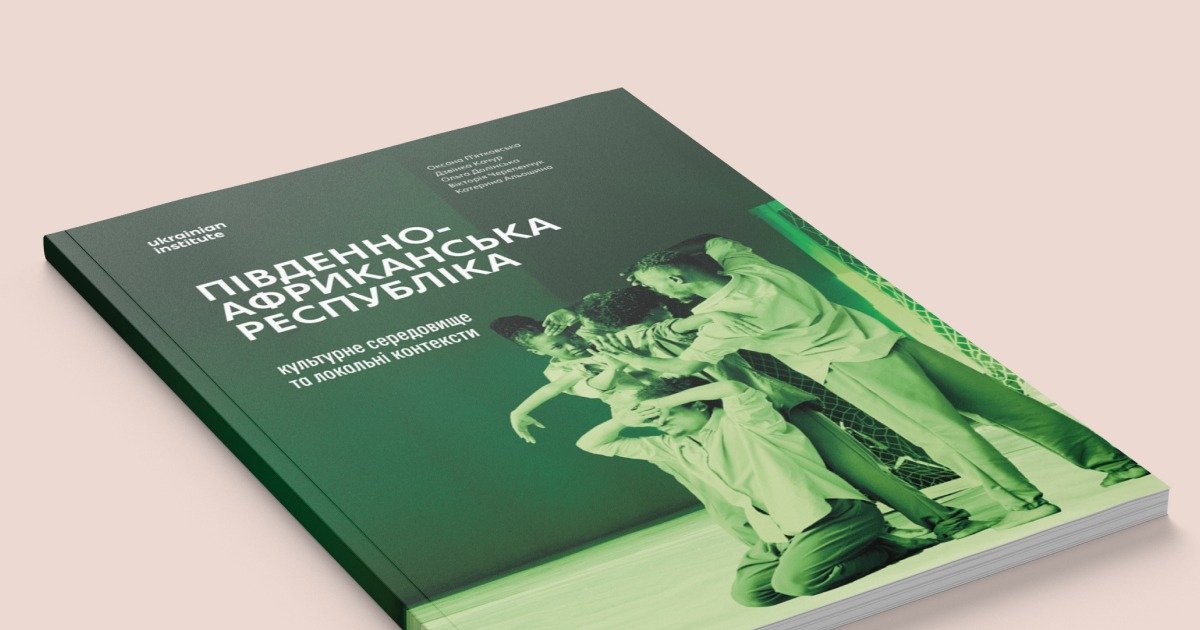
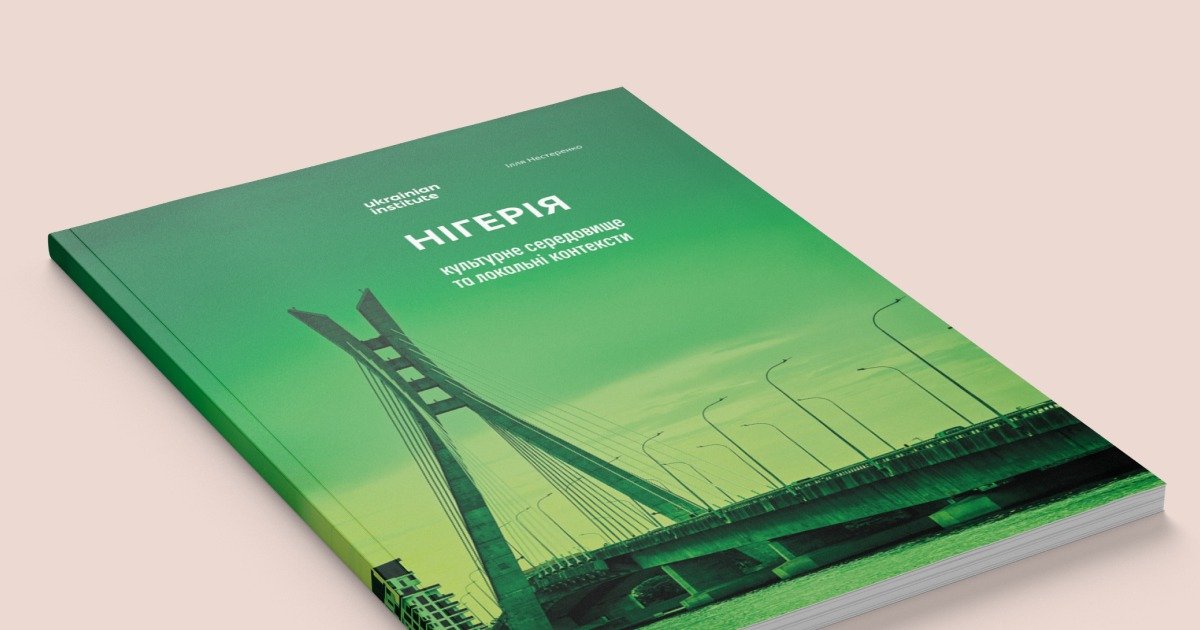
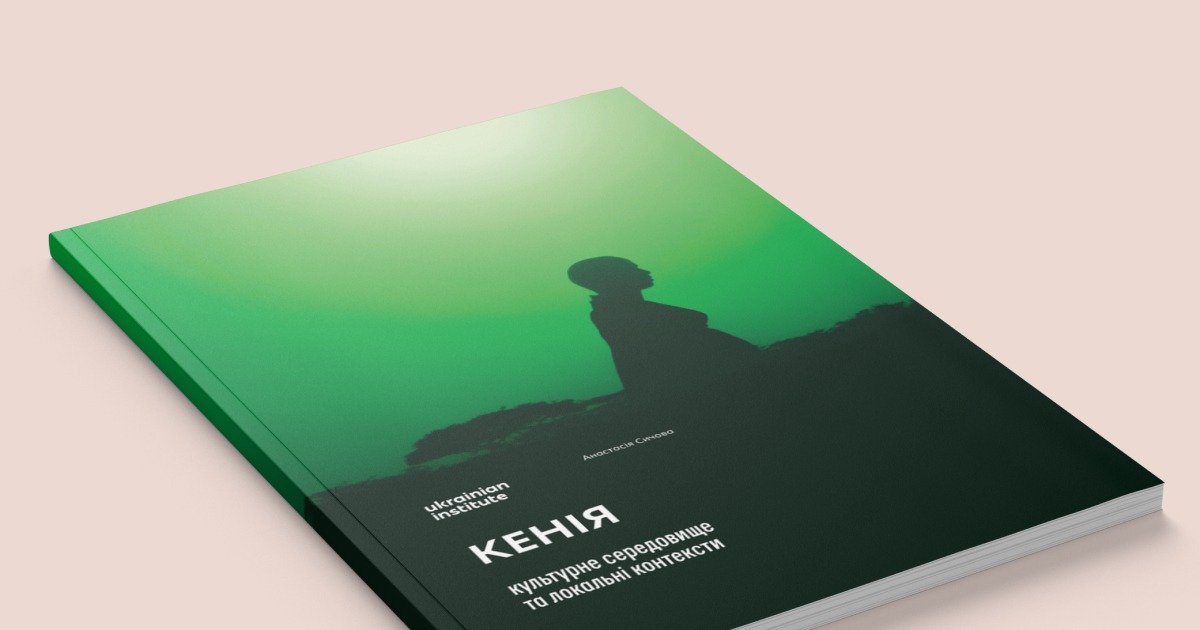

The research on cultural environment and local contexts in South Africa is a part of the Ukrainian Institute’s comprehensive research project in Asia, Africa and Latin America countries.
The aim of the research is to identify and summarise data on the local cultural infrastructure, socio-political, historical and cultural contexts, matters of identity, indigenous peoples, other important local cultural phenomena, as well as sensitive topics and sociocultural occurrences in South Africa.
22 experts participated in the field stage of the research, conducted in the form of semi-structured in-depth interviews. They covered members of the diplomatic corps and Ukrainian diaspora organisations, South African representatives of cultural, scientific and art institutions, as well as media and civil society organisations in South Africa.
The data obtained will create the basis for thorough and qualitative planning of directions, projects, and working formats for the Ukrainian Institute, representatives of the cultural sphere, and the diplomatic missions of Ukraine in South Africa.
International Institute of Education, Culture and Diaspora Relations
Ukrainian Association of South Africa (UAZA)
Duration
2024 – 2025
Authors
Oksana Pyatkovska, Dzvinka Kachur, Olha Dolinska, Viktoriia Cherepenchuk, Kateryna Alioshyna
South Africa is a multinational, multilingual, and multi‑religious state where cultural codes differ across provinces. Administratively, the country is divided into nine provinces and recognises twelve official languages. Ethnic identities are multilayered and connected to the historical background of each community. For instance, the black African population includes Bantu‑speaking peoples and comprises nine distinct traditional ethnic subgroups, while the white community has historically been divided into Afrikaners and English speakers. This mosaic is complemented by the Coloured population (people of mixed race) and the Indian – Asian community.
The foundations of racial inequality were established during the period of British rule in the 20th century and later became institutionalised in the policy of racial segregation known as apartheid. It is worth noting Ukraine’s role (then the Ukrainian Soviet Socialist Republic) in opposing the apartheid regime. From 1963 onwards, representatives of South African resistance movements studied and trained in Ukraine. Thousands of South Africans received education and training there. At the political level, Ukraine supported international sanctions against apartheid, and Ukrainian representatives to the UN served for many decades as vice‑chairs of the UN Special Committee against Apartheid.
The effects of apartheid and colonisation are widely discussed in contemporary South Africa. Simultaneously, the younger generation, born into a free and democratic country, seeks to create more modern cultural products with fewer ties to the past. There is also a noticeable trend among young people to re-examine historical events and to question the concept of social reconciliation outlined in the South African constitution.
In contrast, the Ubuntu philosophy is the thing that unites not only South Africans but also, more broadly, many inhabitants of the African continent. It means “I exist because we exist” and emphasises the interconnection between people, collectivism as an essential part of individual existence.
A distinctive feature of South Africa’s cultural infrastructure is the integration of academic and practical spaces within cultural and arts centres at South African universities. Compared with other African countries, South Africa has an unusual feature in cultural funding: many cultural organisations apply to and receive grants from the National Lottery Commission annually. A significant proportion of respondents identified the Commission as a key state body providing financial support to the cultural sector. Other respondents noted that cultural funding is uneven and tends to favour initiatives likely to generate revenue.
There are a number of factors complicating the cultural exchanges and joint projects between South Africa and Ukraine. South Africa’s post‑2022 stance of non‑alignment, supporting Ukraine’s territorial integrity without openly condemning the Russian Federation; South Africa’s use of BRICS to strengthen ties with Russia; systematic Russian disinformation campaigns that exploit the trauma of apartheid and colonialism, and politicise the war within South Africa’s domestic discourse are the main challenges for bilateral Ukrainian – South African cooperation.
Most respondents provided answers that lacked specificity about Ukraine and Ukrainian culture, as their perceptions of Ukraine are primarily political. Interest remains sporadic and driven by Russia’s military invasion and periodic escalations in the Russian – Ukrainian war.
Some respondents reflected on the challenge of constructing Ukrainian identity after the collapse of the Soviet Union, framing the past through the lens of two competing ideologies, communism and nationalism, and on the role of the state in this process. Detailed professional interest in Ukrainian history is the exception rather than the rule. However, this trend is also observed in histories of other Eastern European countries.
Another characteristic of South African perceptions is the clear separation between European culture and European politics, while Ukrainian cultural heritage is almost always viewed through a political lens.
It is essential to emphasise existing direct links between cultural figures in both countries within the framework of Ukrainian – South African cultural cooperation. UAZA often plays a leading role in establishing contacts and fostering dialogue between Ukrainian and South African cultural actors.
Ukrainian art should not be presented in isolation but paired with South African art in order to achieve a positive impact from cooperation. Another consideration relates to the social consequences of apartheid: due to the burden of the colonial past, traditional European culture attracts limited interest among many South Africans. Consequently, projects that highlight uniqueness outside a European context are likely to perform better.
For more details on recommendations for Ukrainian – South African cultural cooperation and potential challenges, please refer to the research in Ukrainian.
The research was implemented thanks to financial support from the International Renaissance Foundation as a part of the G55214 project “Strengthening Ukraine’s Voice in the World”, with the assistance of the Cultural Diplomacy Foundation NGO.